
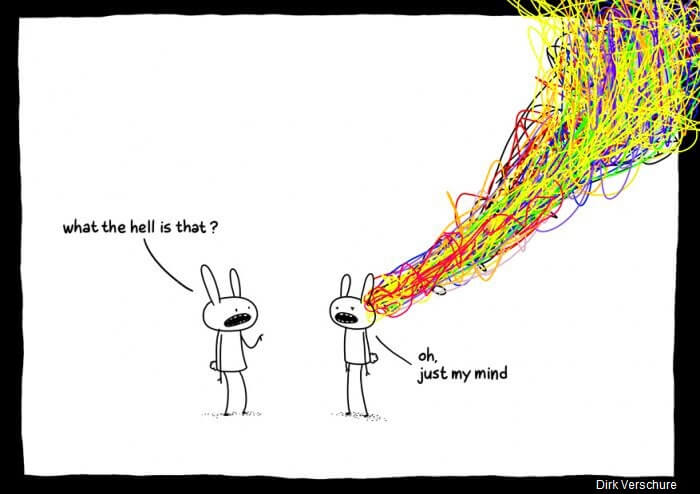
 Codependency is learned – learned inaccurate information that we’re in some way not enough, that we don’t matter, that our feelings are wrong, or that we don’t deserve respect. These are the false beliefs that most of us grow up with. We may not have been told these things directly, but have inferred them from behavior and attitudes of family and friends. Some have been handed down for generations. Fortunately, you can transform the codependent mind…
Changing our beliefs isn’t easy and is difficult to do on our own. It’s hard enough to see others, let alone ourselves, through a lens that’s different than the one we grew up with. Usually, people aren’t conscious of these beliefs about themselves. The 19th Century neurologist Jean-Martin Charcot, the father of hypnosis, wrote that if there were a conflict between the will and the unconscious, the unconscious would always prevail. This explains what drives codependents’ behavior and why we often fail to carry out our best intentions or act upon what we know is right. Charcot had a great influence on Freud, who studied with him.
Unconscious False Beliefs
Codependents have many fears and anxieties based upon false ideas about themselves and others. For example, we may think that making a mistake is unacceptable and shameful. We become anxious about taking risks, trying something new, or expressing our opinion, because we’re afraid of failure or looking foolish. Most of us don’t realize that we unconsciously believe that we’re unlovable, unlikeable, flawed, or somehow inadequate. Even if we’re aware of these false beliefs, we’re convinced of our truth. As a result, we’re anxious about revealing who we are, and please, control, or impress others so that they’ll be loved and not rejected.
Still, other codependents withdraw from people, rather than risk abandonment. People judge themselves based upon their erroneous beliefs and imagine others are judging them, too. Sometimes, in marital therapy, I witness one spouse claim that the other is criticizing him or her when that isn’t the case. In fact, amazingly, this can even happen when the so-called “critical” words are in fact complementary!
Feeling Unloveable
The false belief about our worth undermines our self-esteem and security and has serious consequences in our lives. We lack confidence and self-trust, live in doubt, and continually second-guess ourselves. Many of us don’t feel worthy of being in a position of authority or having success, or even happiness. We may be convinced that we’re bad and end up in relationships with people who are emotionally or physically abusive. This reinforces and worsens our low self-esteem. At a conscious level, we may be indignant and think that we deserve better, but still, we stay and try to get the abuser to approve of us. Some of us stay because we believe the abuser “loves” us, which helps us overcome our belief that we’re unlovable and that no one else will. Read “Why We Can Love an Abuser.”
Similarly, many of us have repeated relationships with men or women who are physically or emotionally unavailable. We don’t feel that we deserve to be loved on a consistent basis. The unconscious belief is that “I have to win someone’s love for it to mean anything.” There may be opportunities for a relationship with someone who is loving and available, but we’re not interested. Instead, we’re excited about someone whose love we have to earn for it to count. As a consequence, we repeat a cycle of abandonment and rejection.
Some distancers just like the pursuit to validate their worth. Once the object of affection succumbs, they lose interest and start the cycle all over again with someone new. Both pursuers and distancers are really afraid of intimacy and being known too well, which in their mind risks rejection. Underneath are feelings of emptiness.
Learned Beliefs
When we grow up with the message that we shouldn’t feel a certain way or it’s unsafe to express certain feelings, we start to believe it. An example is being told not to get too excited, being punished for anger, having our distress or sadness ignored. Some shaming parents will tell their child not to cry, “or I’ll give you something to cry about.”
As adults, we then judge and dishonor our feelings. We hide them – sometimes even from ourselves after years of suppression. If we don’t believe that it’s okay, “Christian,” or “spiritual” to feel angry, we may behave passive-aggressively, become depressed, or have physical symptoms, unaware of how angry we are. This is destructive to relationships. Some people withhold sex or have affairs because they’re angry, instead of talking about relationship problems.
Devaluing Our Rights and Needs
As codependents, we also don’t believe we have rights or that our needs matter, especially emotional needs, such as for appreciation, support, kindness, being understood, and loved. Many of us become pleasers and put others’ needs ahead of our own. We don’t say “no” because we’re afraid others will criticize or leave us, triggering underlying shame and feeling inadequate and unlovable. We often give or do more in relationships or at work for this reason. Self-sacrifice causes codependents to feel unappreciated and resentful. We wonder why we’re unhappy, never thinking it’s because we’re not getting our needs met.
Moreover, because often we’re not aware of our needs, we don’t take steps to meet them. If we do know, we can’t ask for what we want. It would feel humiliating. Instead of disclosing what we want, we expect other people to figure it out! These hidden expectations contribute to conflict in relationships.
Changing Beliefs
Changing beliefs starts with awareness. You can become aware of your beliefs by paying attention to the way you talk to yourself.
- Pay attention to your self-talk. Write down all the negative things you say to yourself. Often I see clients who are at first unaware of their inner voice, which I call the inner Critic, but after a while, they discover it’s controlling their moods and actions. This is why I wrote a little ebook, 10 Steps to Self-Esteem: The Ultimate Guide to Stop Self-Criticism.
- Note the gap between your intentions and actions.
- Journal about this discrepancy and your interactions with others.
- Analyze your beliefs motivating your behavior. Ask yourself where your beliefs came from.
- Read about “Deprogramming Negative Beliefs.”
- Heal the underlying shame by doing the steps in Conquering Shame and Codependency: 8 Steps to Freeing the True You.
We can heal codependency. The most important belief is that you can change. When I first began my recovery, my self-esteem and hope were so low that I didn’t believe change was possible. This was reinforced by another myth. Growing up, I heard my mother repeat, “Show me a child of 7, and I’ll show you the man,” which I took to mean that after 7 years old, I couldn’t change. Actually, new research confirms that personality can change, and many studies show a strong link between personality, well-being, and health. People in 12-Step programs and therapy experience this all the time. Your mind is a powerful, creative gift from God. Learn to use it to work for you, not against you.
©Darlene Lancer 2013
Transforming the Codependent Mind by Darlene Lancer, MFT, a Licensed Marriage and Family Therapist in Santa Monica, CA, and author of Codependency for Dummies