
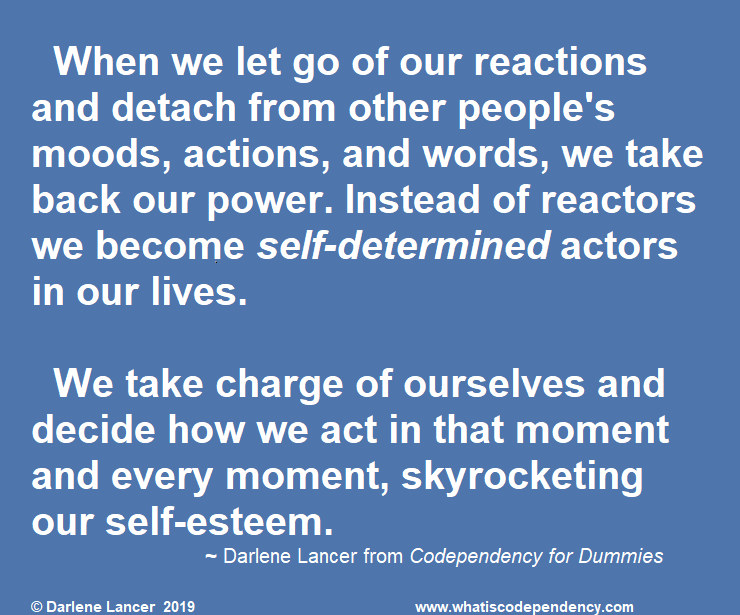
 Tolerating other people’s reactions and feelings isn’t easy. It can be difficult to remain confident when we set boundaries. Others’ reactions can feel intense and personal, especially when they activate old childhood patterns of guilt, fear, or responsibility. Learning to tolerate discomfort is part of becoming emotionally independent and fully ourselves.
We may assume that if we’re being reasonable, clear, and respectful, our boundaries will be accepted. However, when we stop accommodating, rescuing, over-explaining, anticipating others’ needs, or taking responsibility for everyone’s emotional well-being, the people around us may react with disappointment, confusion, hurt, or anger.
Others may withdraw, criticize, or challenge our new behavior The challenge is not simply learning to say no. The challenge is learning not to assume that their negative reaction means we’re responsible for their feelings or did something wrong, and not to become fearful and backpedal.
Childhood Trauma Adaptations
For many of us, childhood trauma is the cause. If our caregivers frequently blamed, criticized, punished, withdrew affection, became very emotional, or erupted in anger when we expressed our needs, we experienced relational trauma and shame. We learned that other people’s distress was dangerous. Hence, maintaining connection required monitoring, managing, and accommodating the emotional states of the adults around us.
As dependent children, those adaptations made sense. We could not simply leave difficult relationships. Most of us believed our parents were correct and that we were the ones who were wrong. We could not easily challenge authority or create distance from the people we depended upon. Our nervous systems learned to prioritize attachment and safety over authenticity. Additionally, for survival, if we believed we were wrong, then we could change our behavior to avoid shame and secure our relationship with our parents. Many of us became experts at reading moods, preventing conflict, and taking responsibility for feelings that were never ours to carry.
How Childhood Trauma Affects Adult Relationships
The problem is that these childhood adaptations often continue into adulthood. When a partner is disappointed, a friend is upset, or a family member disapproves of our choices, we may react as though we are facing the same danger we once faced as children. We may feel compelled to explain ourselves, apologize, reassure, justify, or retreat. We may become flooded with guilt, anxiety, shame, or fear. In those moments, we are often responding not only to the person in front of us but also to a much older emotional reality.
As adults, we often project old fears and expectations onto present-day relationships. We assume we will be blamed, rejected, abandoned, punished, or made responsible for restoring harmony. The people in our lives may indeed be controlling, critical, or emotionally immature. But even so, we are no longer dependent children and have options we did not have before. We can disagree. We can leave a conversation. We can establish limits. We can refuse unreasonable demands. We can choose which relationships deserve our time and energy. We can survive another person’s disappointment. Yet our nervous system doesn’t recognize this difference immediately and may respond to present-day conflict with fears rooted in our past.
Tolerating Other People’s Reactions
One of the most important steps in growth is distinguishing another person’s reaction from evidence that 1) the other person is injured; 2) we caused it; and 3) we deserve blame. However, someone can be disappointed without being injured, can dislike our decision without being mistreated, and can be upset or unhappy with us when we’ve done nothing wrong.
These distinctions are especially difficult if we quickly blame ourselves for another person’s reaction. The moment someone becomes upset, we assume we’ve made a mistake. Yet healthy relationships require a wider range of possibilities. The fact that different people react differently to us proves that it isn’t our behavior, but the other person’s personality and history that make them react the way they do.
Learning to tolerate these possibilities requires a skill that many of us were never taught: the ability to self-soothe before judging ourselves. When we feel guilty, anxious, ashamed, or afraid, we often instinctively conclude what we did was wrong. We try to eliminate the discomfort as quickly as possible. We apologize, backtrack, explain ourselves, or resume taking responsibility for someone else’s emotions. Yet emotional activation is not always evidence of wrongdoing. Sometimes it’s evidence that an old attachment wound has been activated.
We may regulate anxiety through anger, withdrawal from the relationship, or compliance to reattach to the person; other people become aggressive. Maturity requires a different response. Instead, we learn to pause long enough to determine whether the feeling we are experiencing reflects present reality or an old fear of rejection, punishment, or emotional abandonment. Only when we are calm can we accurately evaluate whether we have acted out of alignment with our values or are simply reacting to our past conditioning.
If we’re used to being understanding, accommodating, and reliable, caring for others becomes intertwined with our sense of identity and worth. When we change, retreating from excessive responsibility for others can feel selfish, cruel, or uncaring.
Healthy Relationships
Healthy relationships require balance. Caring about another person’s feelings is not the same as being responsible for them. We can empathize without absorbing. We can support without rescuing. We can care deeply about someone and still maintain our boundary, recognizing that others’ emotional experience belongs to them.
As we grow, we often encounter grief alongside freedom. We may grieve old identities, familiar roles, and relationships that depended on our self-sacrifice. We may discover that we maintained harmony at the expense of parts of ourselves. Growth often introduces tension into relationships that once felt stable. This does not mean something has gone wrong. It often means that something real is emerging. We are regaining our voice and authenticity.
Mature autonomy is not emotional distance, self-sufficiency, or indifference to others. It is the ability to remain connected without losing ourselves. It is the capacity to care about another person’s feelings while staying rooted in our own experience. It is learning to remain present when others disagree, disapprove, or feel disappointed without abandoning our position.
Relationships are healthiest not when everyone feels the same way, but when people can tolerate differences. Growth introduces complexity, ambivalence, and periods of disequilibrium. The task is not to eliminate these realities but to develop the emotional capacity to withstand them.
Strategies for Growth
One of the most helpful things we can do is learn to soothe ourselves before judging ourselves. When guilt, anxiety, or shame arises, we can pause rather than assume we have done something wrong. Breathing exercises, mindfulness practices, physical movement, supportive friendships, time in nature, or self-compassion can help calm the nervous system enough to think clearly.
Journaling can be invaluable. Writing often helps us separate present-day events from emotional memories and recognize when we’re responding to a current situation through the lens of past experiences. We can evaluate another person’s discomfort objectively and whether we’re being asked to violate our self-worth or values.
Psychotherapy can help us identify longstanding beliefs about responsibility, guilt, conflict, and worth. It provides support, objective feedback, and strengthens our ability to remain ourselves in the presence of other people’s emotions.
Finally, growth requires a willingness to tolerate our discomfort. We will not always feel certain. We will not always feel approved of. We will not always feel comfortable. Yet over time, we begin to discover that guilt is not necessarily proof of wrongdoing, conflict is not necessarily dangerous, and disappointment is not necessarily rejection.
Detaching doesn’t mean we stop caring about other people. The goal is to care without abandoning ourselves. As we change, we discover that genuine connection does not require self-erasure, but depends upon our ability to remain present, separate, and whole.
The Self-Love Meditation and exercises in Conquering Shame and Codependency will help you gain self-acceptance and heal underlying shame. How to Be Assertive provides steps, role-plays, and guidance to set boundaries in healthy ways. If you’re dealing with someone highly defensive, such as an addict or someone with a personality disorder, Dating, Loving, and Leaving a Narcissist provides specific strategies and scripts to detach and communicate with them more effectively.
© Darlene Lancer 2026